
Why Mortice Locks and Yale Nightlatches Work as a Pair
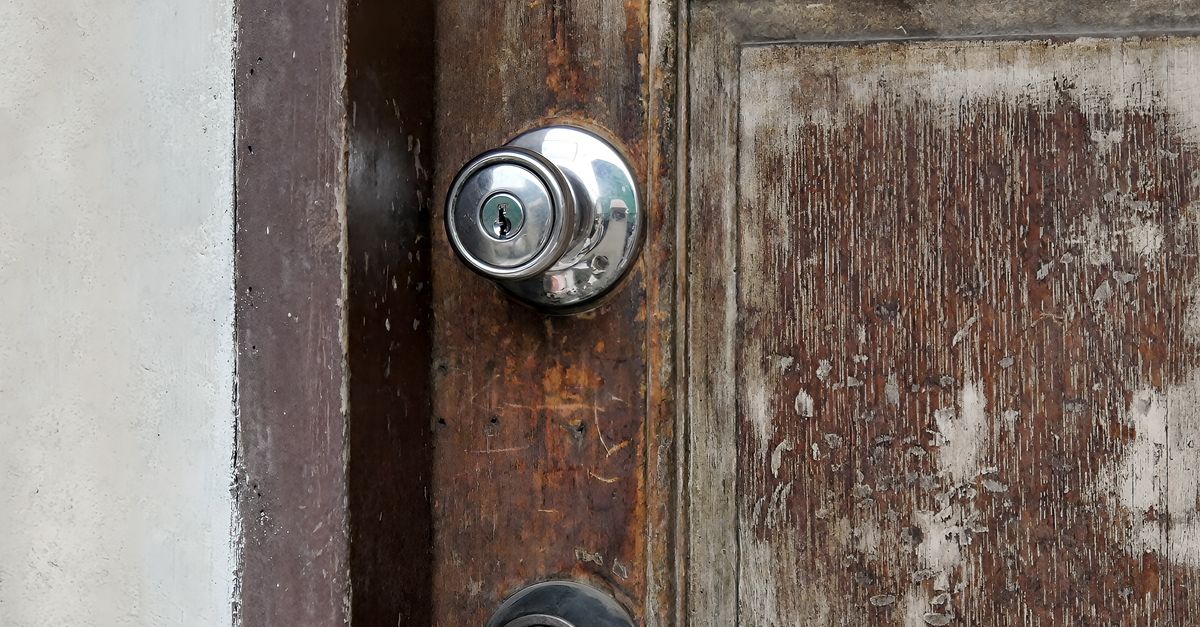
A Yale-type nightlatch — the kind with a spring-loaded latch that catches automatically when you pull the door shut — is excellent for day-to-day use, but it is not a deadlock. It can be vulnerable to being pushed back without a key if the door frame is poorly fitted or the latch is worn. A 5-lever mortice deadlock fitted in the middle rail of a timber door addresses that weakness directly. When you turn the key, a solid bolt shoots into the strike plate in the frame, and because it is morticed into the door body rather than surface-mounted, there is no exposed case to lever off. Together, the two locks complement each other: the nightlatch handles the quick in-and-out of daily life while the mortice deadlock provides the structural resistance that matters most when no one is home.
The British Standard that most insurers refer to is BS3621. A lock carrying that mark has been independently tested against specific criteria for bolt strength, key variation, and attack resistance. If your policy wording asks for a BS3621-compliant lock on external doors and you cannot demonstrate that one is fitted, a claim following a break-in may be reduced or refused. Our technicians can confirm on-site whether your existing mortice lock meets that standard, and if not, we carry BS3621 5-lever deadlocks suitable for the most common door thicknesses found in Rainham properties.