Why a Lock Change Is Often the Smarter Choice
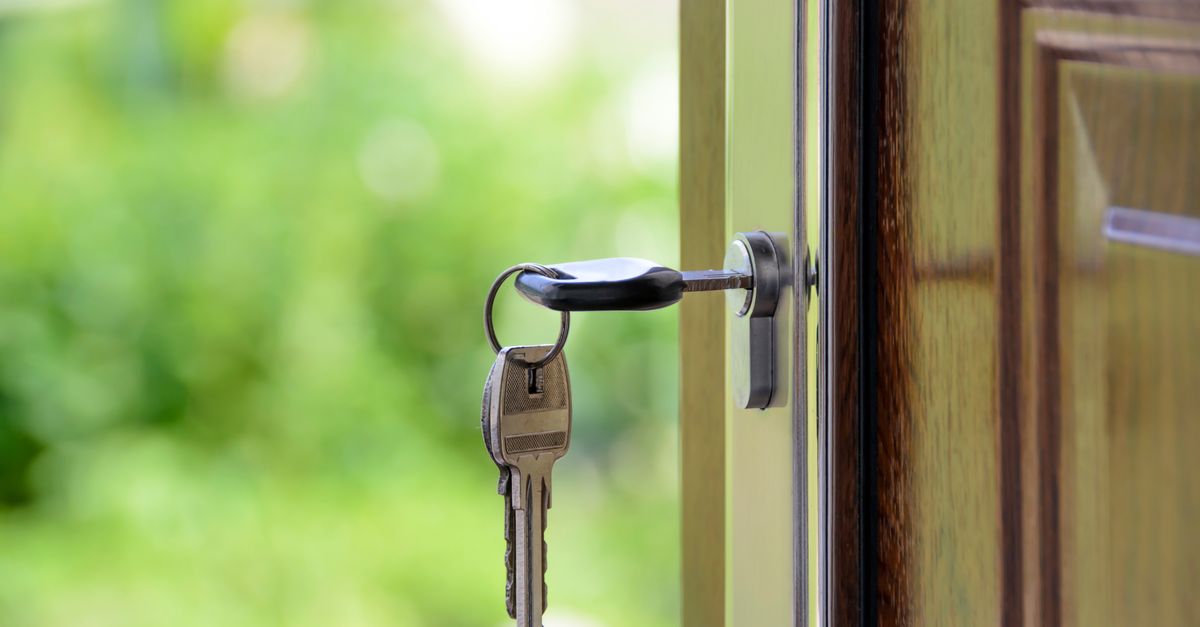
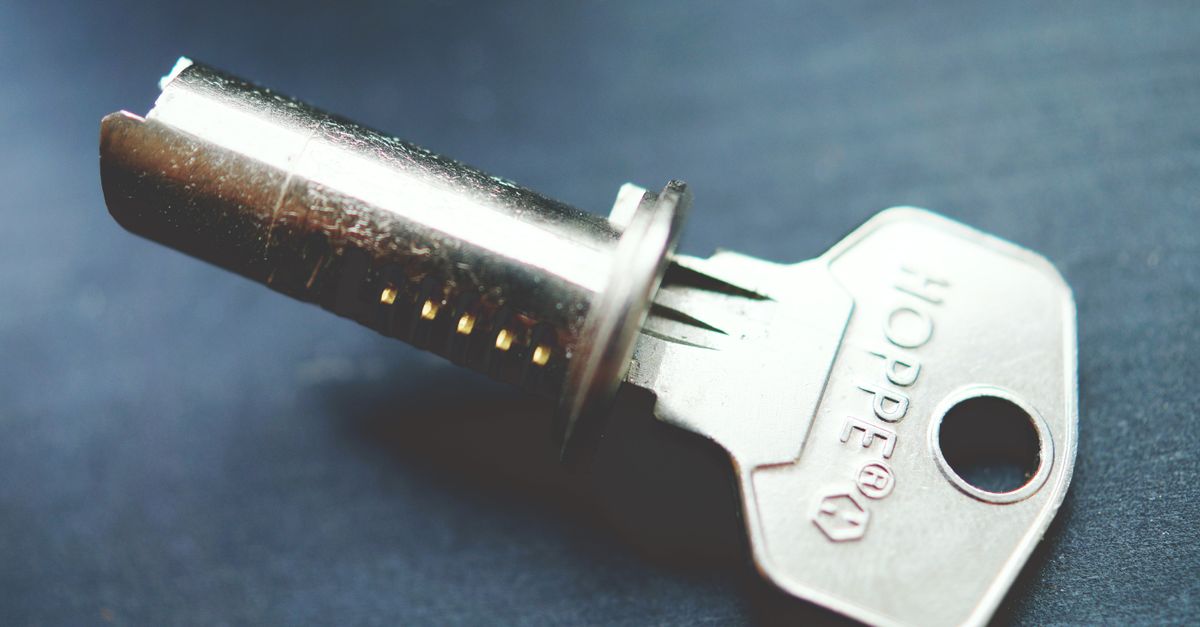
Replacing a lock outright — rather than simply having a spare key cut — is the only way to be certain that no unauthorised copy is in circulation. This matters most at the point of a property changing hands: when a landlord re-lets a flat, when a sale completes, or when a relationship breaks down and someone has moved out. It also matters when a lock has been in service for many years, shows signs of wear, or is a basic euro cylinder without anti-snap protection. In Rainham, as across the rest of outer east London, burglars have been known to exploit cylinder snapping on uPVC and composite front doors — a technique where the visible part of the cylinder is broken off to access the cam inside. Upgrading to a TS007 3-star anti-snap cylinder, or a cylinder bearing the British Standard kitemark, closes that vulnerability entirely.
For doors fitted with traditional timber frames, the most common arrangement is a Yale-type nightlatch combined with a 5-lever mortice deadlock. Many home insurance policies in the UK specify that the mortice deadlock must meet BS3621 — a standard worth checking with your insurer before you decide on replacement hardware. Our technicians can supply and fit BS3621-rated locks and will confirm the rating of any part they install, giving you the documentation you may need for your policy.